Posts

The Man Who Froze Without the Cold

The Man Who Froze Without the Cold There’s this story that haunts me. A man gets trapped inside a refrigerated train container. He panics. He knows what happens in these things: freezing, numbness, the slow shutting down of the body. So he starts to write it down, leaving notes about how his hands are getting stiff, how his breathing is slowing, how the cold is swallowing him. When they find him, he’s dead. But here is the twist: the container wasn’t even cold. That detail always gets me. These containers only stay freezing when they are plugged in and powered. Once they are empty and unplugged, they drift back to normal temperature. This one should have been harmless. His body should have been fine. And yet, it wasn’t. So what killed him? -------- We usually think of the brain as an organ for thought, but it is more than that. It doesn’t just process reality, it can create it. Sometimes it even creates it so convincingly that the body plays along. The nocebo effect is one example. M...
NeuroNugget 2: You See the World Upside Down

Image
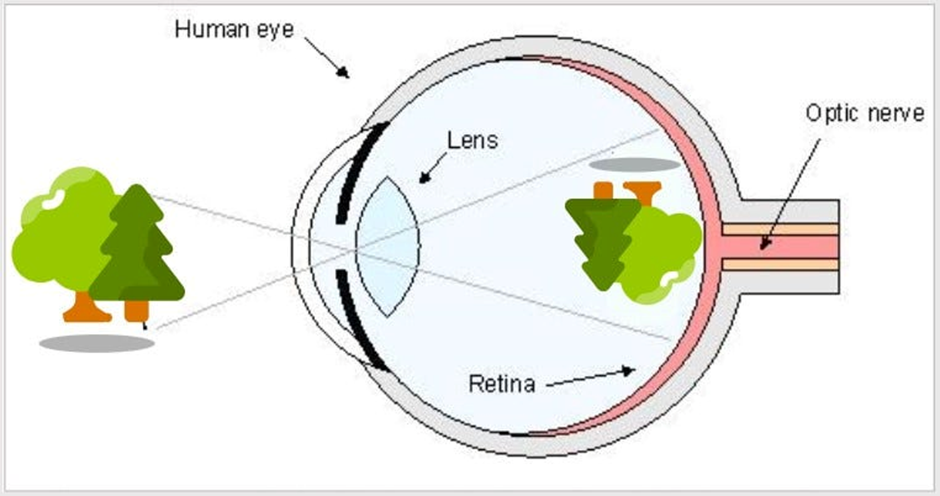
  You See the World Upside Down But Your Brain Flips It Here’s something weird. You’re seeing this sentence upside down. Not in a metaphorical way. Literally. When light enters your eyes, it bends through your lens and lands on the back of your eyeball inverted. The top becomes the bottom, the left becomes the right. So why doesn’t the world look upside down? Because your brain is quietly fixing it for you. 👁️ Your Eyes Flip It. Your Brain Fixes It :) Your eyes are like little cameras. The lenses bend light and project the image onto the retina, which is the back of your eye. But thanks to how lenses work, the image ends up upside down and reversed. That’s normal. It happens to everyone. It’s just physics. But you don’t see an upside-down world. Why? Because your brain knows how to handle it.  It’s been doing it since you were a baby. Your brain doesn’t flip the image like turning a photo. Instead, it understands the world based on context, memory, and experience. The visual ...

NeuroNugget 1 - Your Brain Doesn’t Sleep All at Once... It Sleeps in Waves 🧠

Image
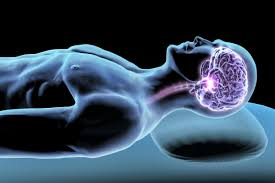
Your Brain Doesn’t Sleep All at Once…It Sleeps in Waves We like to think of sleep as an “off” switch” : lights out, brain down, and everything goes quiet. But here’s the truth: Your brain never fully shuts off. Not even in your deepest sleep. 1- Sleep Isn’t a Full Brain Shutdown When you go to sleep, your brain doesn’t just power down. Some parts/regions enter rest mode. While others stay active : sorting memories, regulating your heartbeat, even watching out for danger. So you’re unconscious... but your brain is actually pretty active doing all sort of things. 2- Local Sleep: Tiny Parts of the Brain take a Nap Here’s where it gets a bit crazy😏 Local sleep is when small clusters of neurons take naps while the rest of your brain is awake. This can happen when you’re sleep deprived. You might feel alert, but different parts of your brain are sneakily going offline (Just for a couple of seconds). Ever made a really silly mistake, or zoned out for no reason? That could’ve been your brain...